Regret: The Longest Lasting Human Emotion - Sample 2019
From the August 2018 issue
I've been thinking a lot lately, for some reason, about regret.
Regret is the most enduring emotion in the lives of most investors. Because sooner or later, they make the mistake of bailing out of a falling equity market, only to see it turn around and rise, three years out of four, for the rest of their lives. Some get back in much higher; others never get back in at all. Still others bail out, scramble back in much higher—and then repeat the process during the next bear market, and the next. No matter: the pain of regret is with them forever. Nor does the passage of time heal the pain. If anything, time and relentlessly higher prices make it worse.
That's what differentiates regret from the headline emotions of investing—fear and what's usually called greed—which cycle back and forth. And which, when you come right down to it, are both manifestations of the same essential emotion: fear. (There are, after all, only two master emotions: love and fear.) When markets are falling, investors fear permanent loss; when prices soar, investors fear missing out, and envy (just another face of fear) those who seem to be getting rich. I say again: that isn't “greed.” It's just a different form of fear.
Regret abides. And when I think about long-term regret, I always think of the Potyks.
The Potyks were, and I hope still are, a retired couple living in San Antonio, who became the focus of a 4,000-word article that began on the front page of the July 12, 2010 issue of The Wall Street Journal. The article was titled “Small investors flee stocks, changing market dynamics.” It may have been the most hateful article about investing I've ever seen in the Journal.
As all such journalism does, the article chronicled all the terrible things that had been going on in the economy and the market in recent years, and how the individual investor was abandoning equities in the face of those then-current trends. It never once said, “Historically, massive investor flight from equities has been a powerfully contrary indicator.” It said, in effect, (a) huge numbers of people are getting out of equities, (b) they are right to do so given current events, and (c) this is going permanently to change the stock market. The poster children for these allegedly secular phenomena were the poor, benighted Potyks.
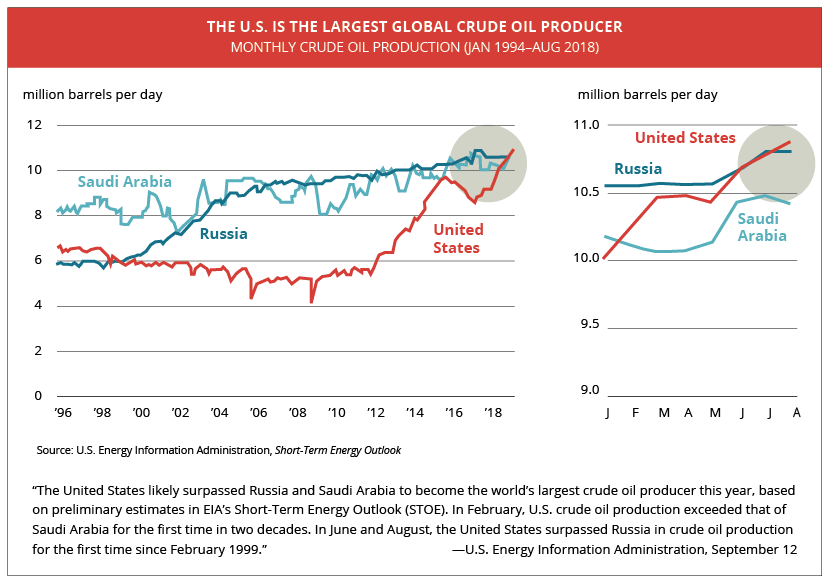
And the Potyks hadn't even capitulated at the bottom of the market. They had hung on, seen the market rally some 80-odd percent from the lows—and then got taken out by the May 2010 “flash crash.” The WSJ gleefully noted the day they liquidated the last of their equity holdings: May 20, 2010. The real tragedy of this—that they were finally defeated not by mounting losses at all, but by the most ephemeral volatility—was lost on the poor couple, as well as on the brain-dead WSJ reporter and his editor.
What had been missing from the Potyks' lives? What might have prevented their tragedy, causing their invested wealth to continue growing to new highs of value and dividends? Why, of course: one Spartan, crying out with all her/his might:
“You must not do this. Aside from the permanent and irreversible financial damage involved, you will regret this for the rest of your lives!”
(I wrote about the article, and about how the reporter had cynically used the couple, in the May 2011 NMI, and for a couple of years thereafter, as the market rose relentlessly, and as the Potyks' regret presumably compounded. The Journal has long since taken the original article off its website, but you can still see mine.)
There is, to me, a kind of sacredness to the advisor's willingness to do this: to stand athwart the cascade of terror that characterizes all bear markets as they build to an orgy of capitulation. This has nothing to do with her/his mastery of the intellectual case against panic liquidation—because it isn't an intellectual problem. It isn't capitulation in the absence of information; it's terror in the absence of faith, patience and discipline, which are the enlightened advisor's stock in trade.
A couple of subscribers recently forwarded me a blog by an industry observer/consultant of some kind, to the effect that “handholding” is a problematic value proposition. It spectacularly misses the point. Given that human nature is always and everywhere a failed investor, tough-loving behavioral coaching (a) can never be trivialized as “handholding,” and (b) at least every five years or so, becomes priceless. To us, it's a moral imperative; to the investor, it's the determinant of whether he lives or dies, financially.
So, ye Spartans, strike your shields loudly with your spears, and shout the behavioral war cry:
“I'm not working to maximize your short-term return. I'm working to minimize your long-term regret.”